
Bengal Cat Info
What Is So Special About Bengal Cats?
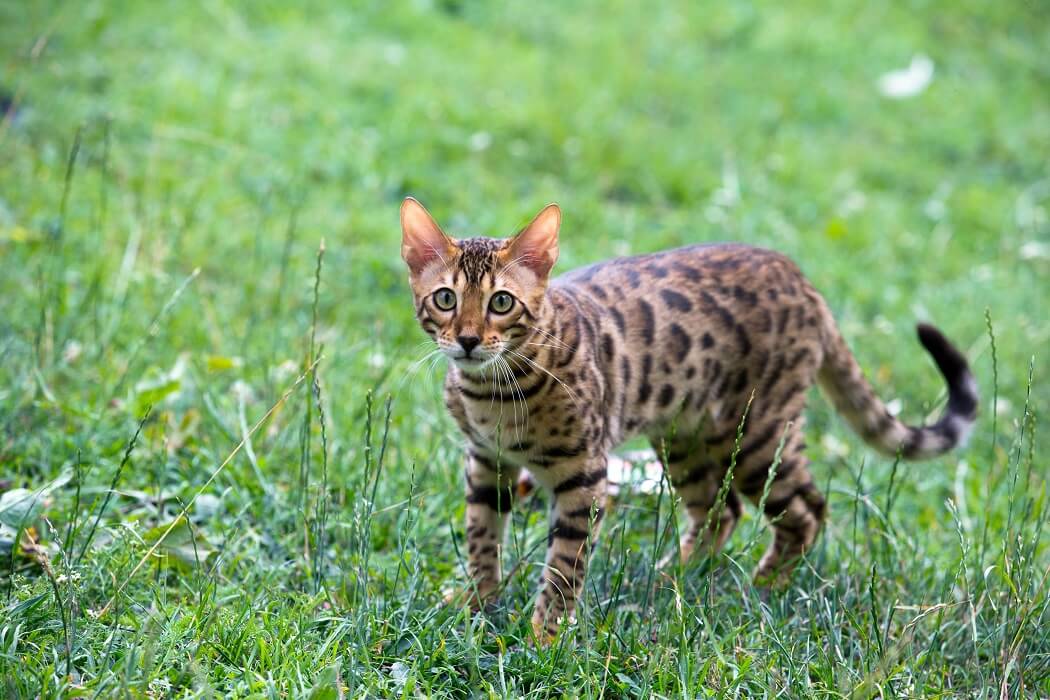
Bengal cats have a reputation for being “mini wildcats,” but what makes them special isn’t just looks—it’s a mix of genetics, behavior, and energy that sets them apart from typical house cats.
First, their appearance is striking. Bengals were developed by crossing domestic cats with the Asian leopard cat, which gives them that exotic, spotted or marbled coat. Their fur can even have a glitter-like sheen in the light, which is pretty unique among cats.
But the bigger difference is personality. Bengals are extremely active and curious—much more like a dog in some ways. They tend to:
- Seek out interaction constantly
- Learn tricks or even play fetch
- Climb anything they can reach
They’re not the kind of cat that’s content lounging all day. If they don’t get enough stimulation, they can get destructive out of boredom.
Another unusual trait: many Bengals actually like water. While most cats avoid it, Bengals might splash in sinks, follow you into the shower, or play with running faucets.
They’re also very vocal and communicative. Instead of just meowing, they make a range of chirps, trills, and yowls to get your attention.
That said, they’re not for everyone. Their energy level and need for engagement can be overwhelming if you’re expecting a low-maintenance pet. They do best with:
- Lots of toys and vertical space
- Time and attention from their owner
- Sometimes even leash training or outdoor enclosures
In short, Bengal cats are special because they combine a wild look with a highly interactive, high-energy personality. They’re closer to having a tiny athlete roommate than a laid-back lap cat.
Bengal Cat History
The story of the Bengal cat is actually pretty unusual—it’s one of the few cat breeds deliberately created to look wild while staying domesticated.
It starts with the Asian leopard cat, a small, naturally wild feline found across Asia. In the mid-20th century, breeders became interested in crossing these wild cats with domestic cats. The goal wasn’t just appearance—it was also partly to study disease resistance (especially to feline leukemia) and later to create a cat with an exotic look but a friendly temperament.
The key figure in making Bengals what they are today was Jean Mill. In the 1960s and then more seriously in the 1970s–80s, she began breeding Asian leopard cats with domestic cats like Egyptian Maus, Abyssinians, and American Shorthairs. Her work focused on:
- Keeping the striking spotted/marbled coat
- Breeding out aggressive wild traits
- Producing a stable, social personality
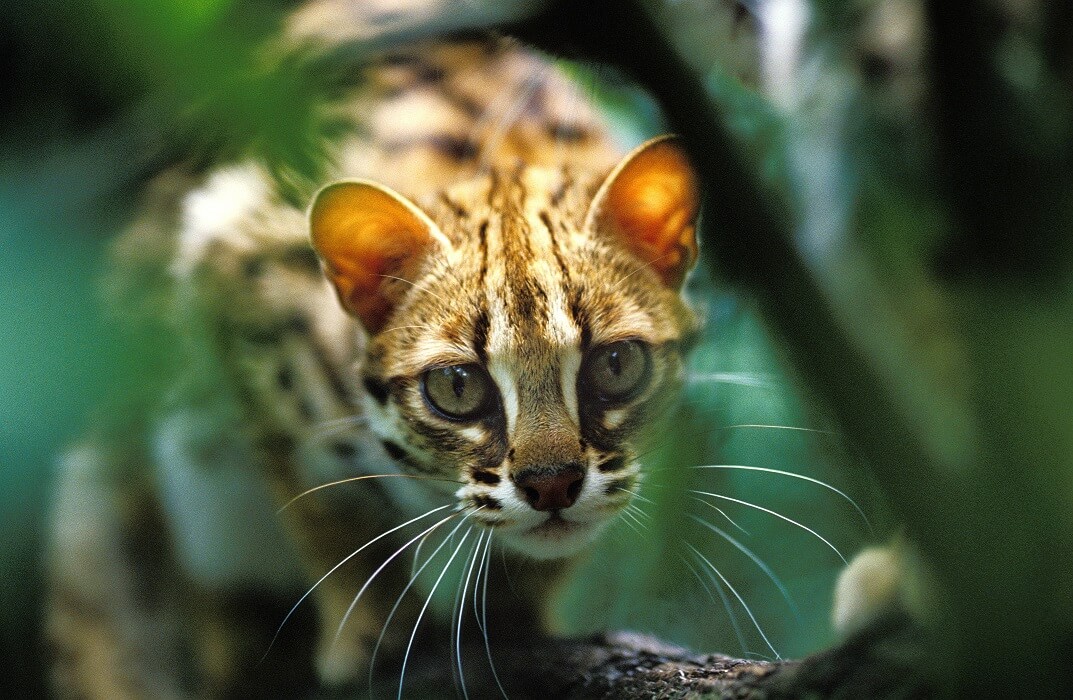
Early generations (called F1, F2, etc.) were much closer to their wild ancestors and could be difficult to manage. Over several generations, breeders selected for temperament, resulting in the Bengals you see today—generally several generations removed from the wild.
By the 1980s, the breed started gaining attention, and in 1991 the The International Cat Association officially recognized the Bengal cat for championship competition. That helped legitimize the breed and boost its popularity worldwide.
Bengal Cat Colors
Bengal cat are famous for having some of the most dramatic coats in the cat world. Their colors and patterns are designed (through selective breeding) to resemble wild cats, especially the Asian leopard cat.
Here’s how it breaks down:
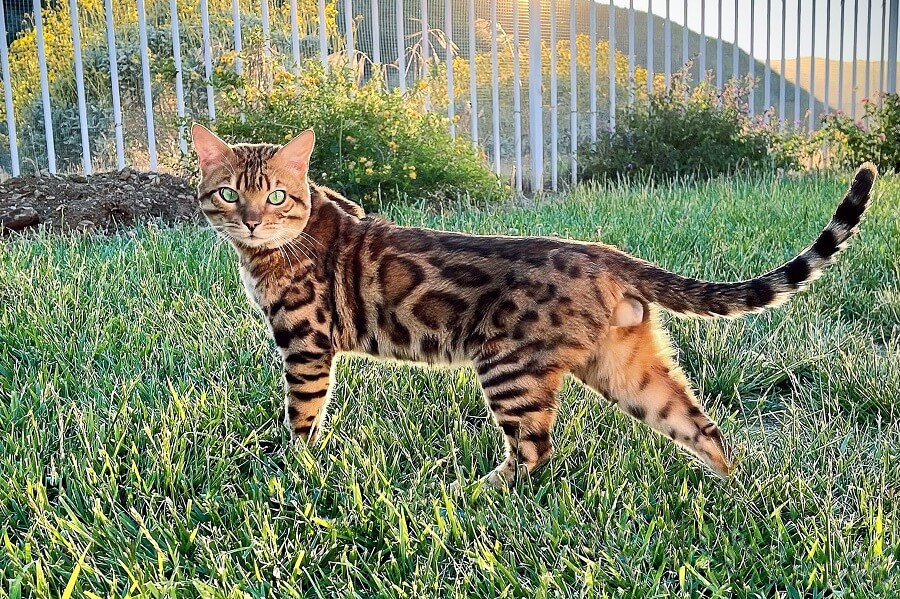
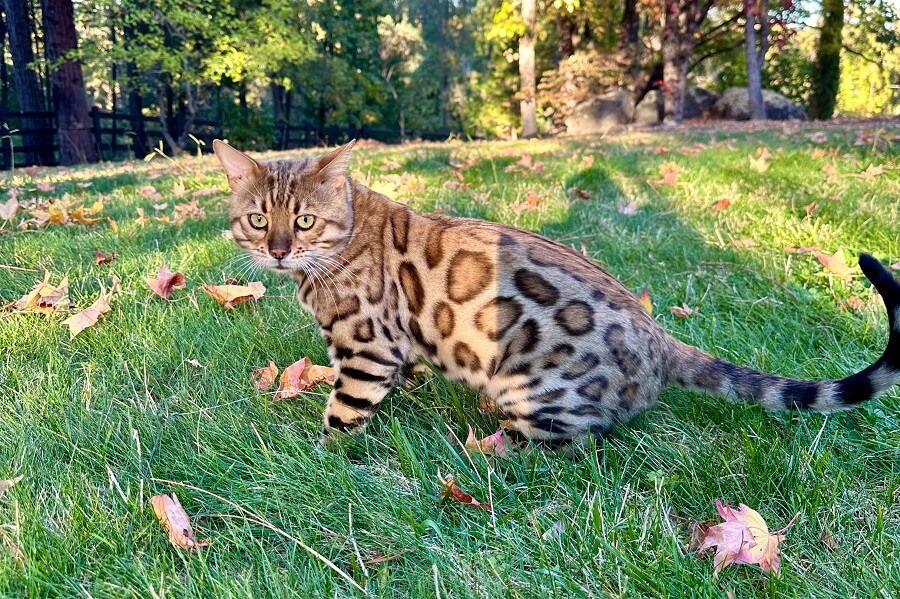
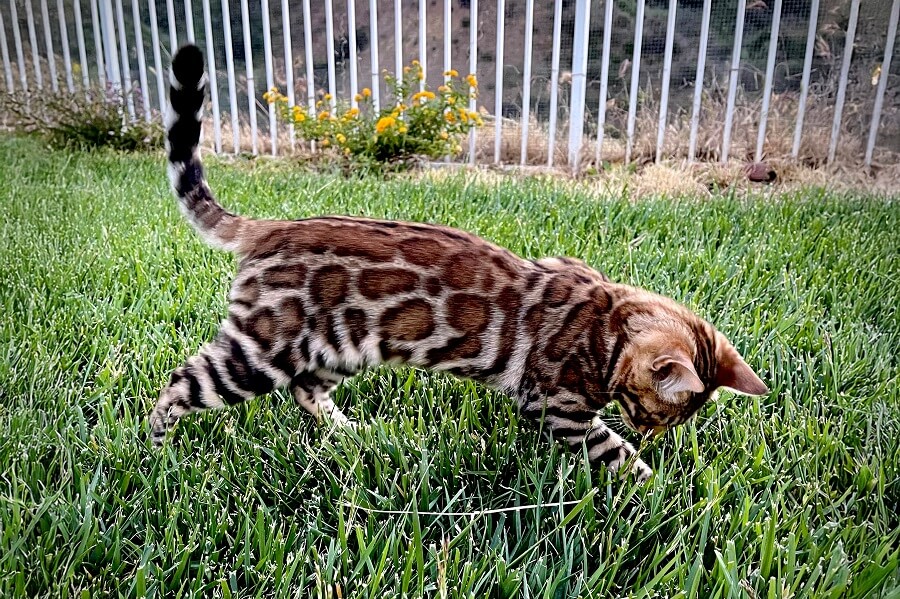
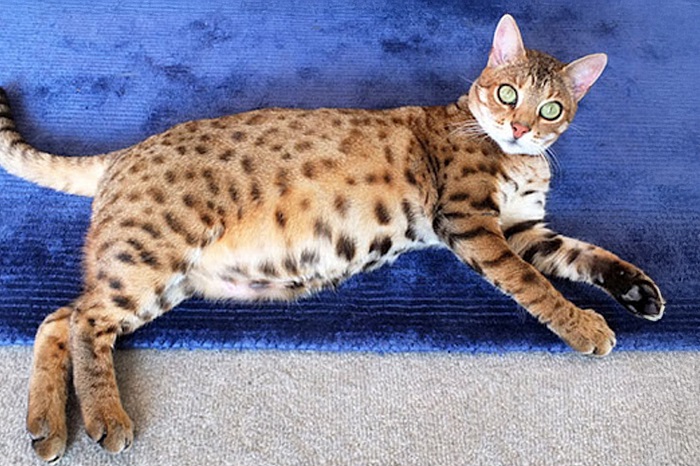
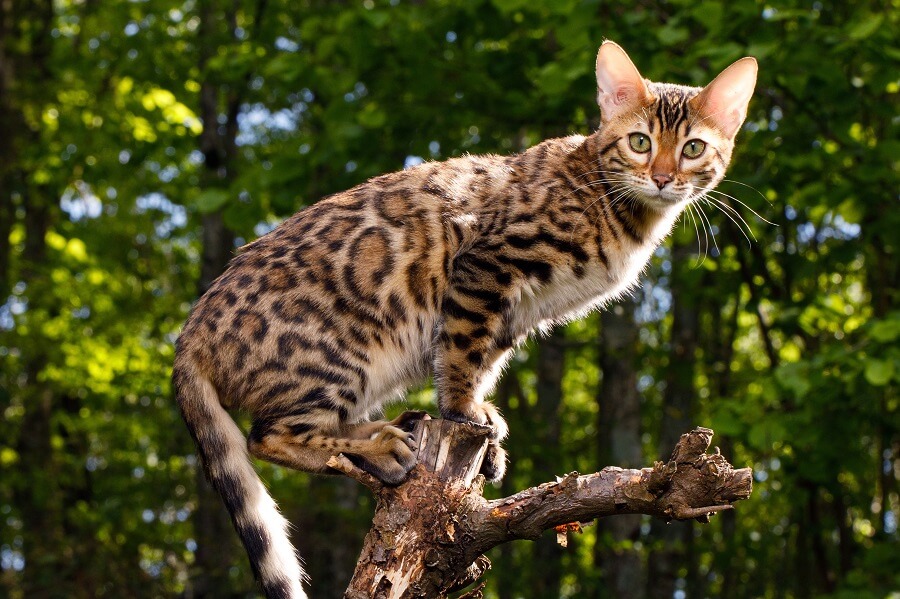
- The most common and recognizable
- Background ranges from warm gold to orange or tan
- Markings are dark brown, black, or chocolate
- Often has that signature “glitter” effect in sunlight
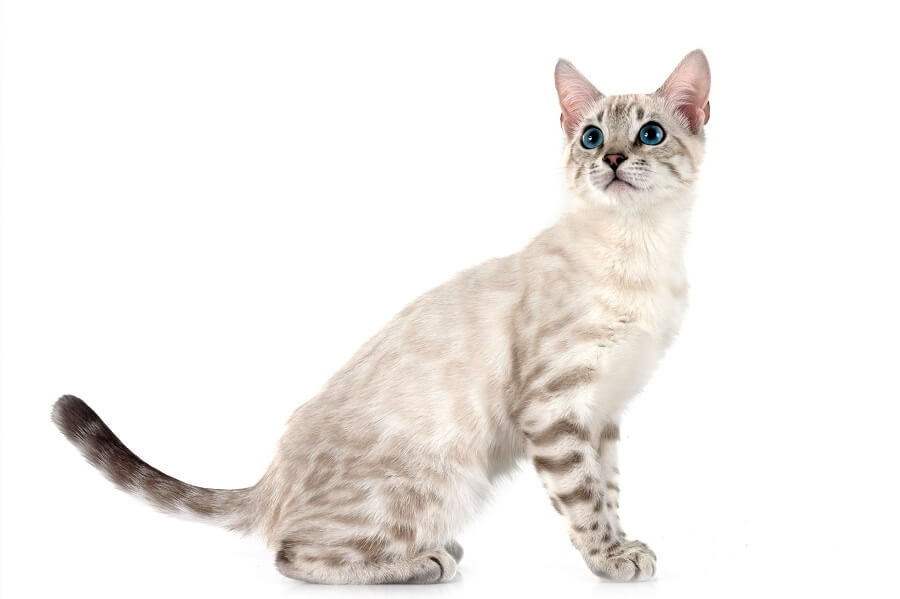
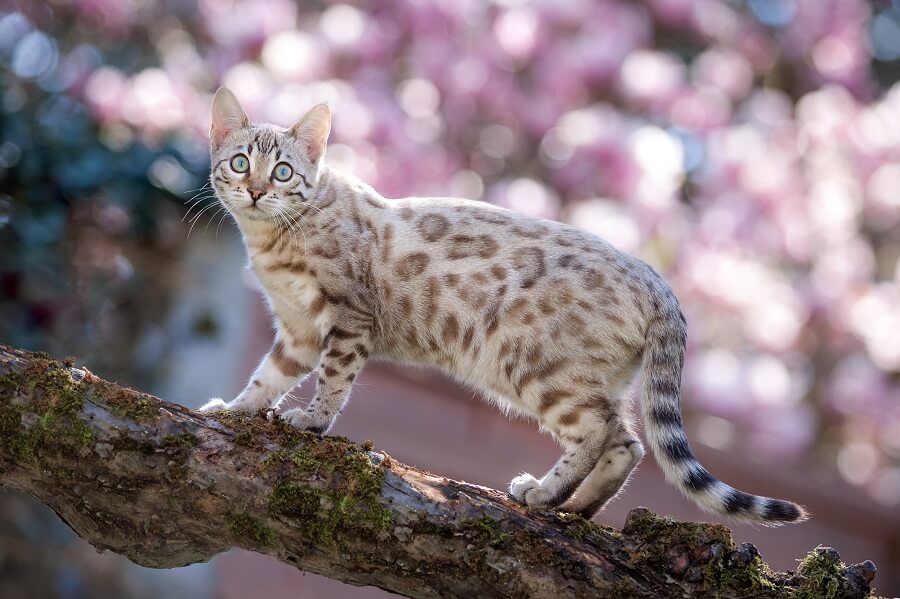
Snow Bengals actually come in three genetic types:
- Seal Lynx Point – very pale cream/white with faint
markings (often blue eyes) - Seal Mink – slightly darker cream with aqua eyes
- Seal Sepia – richer beige tones with green/gold eyes
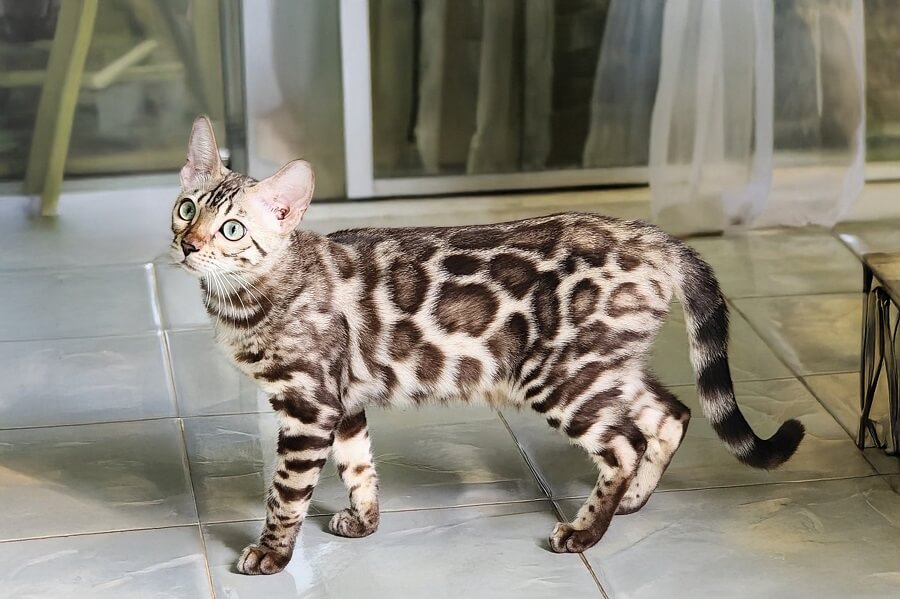
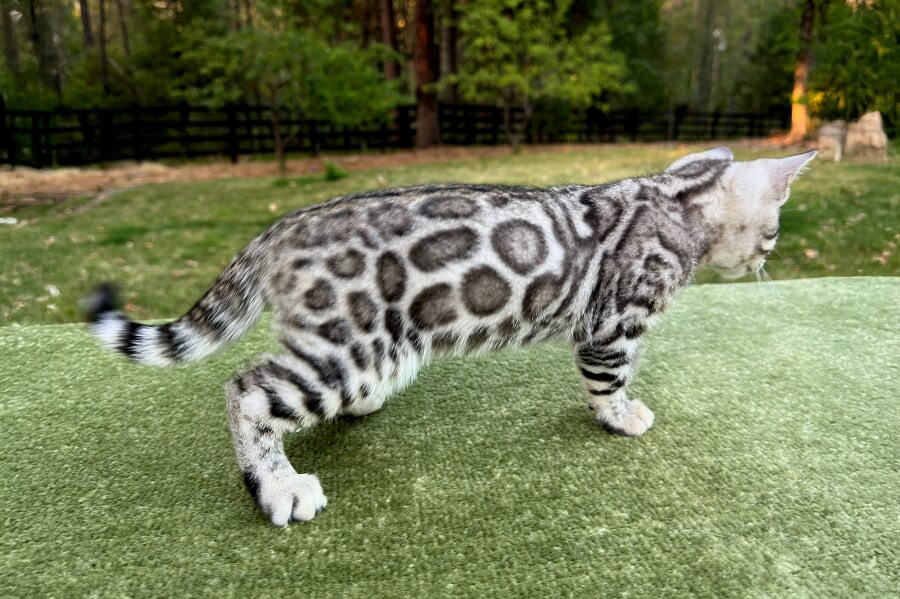
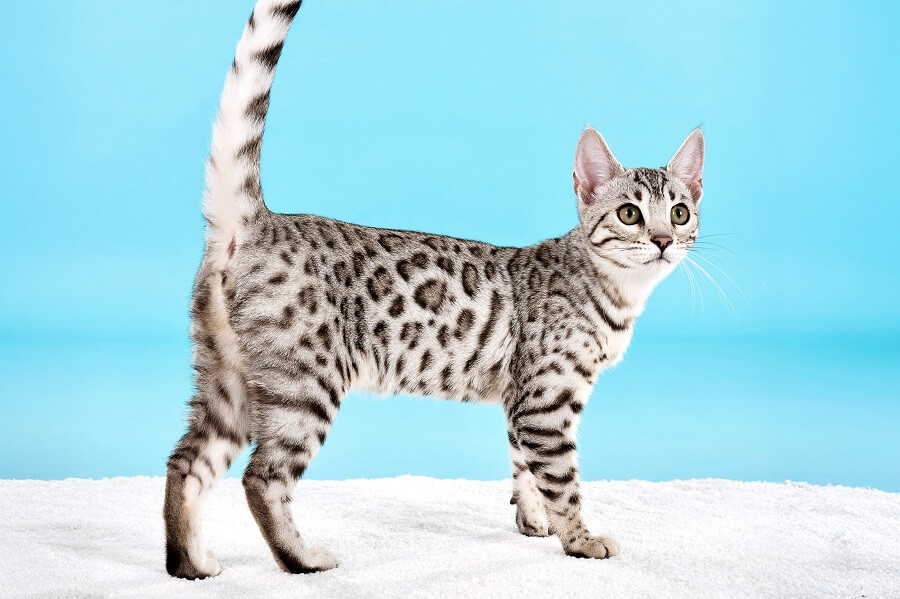
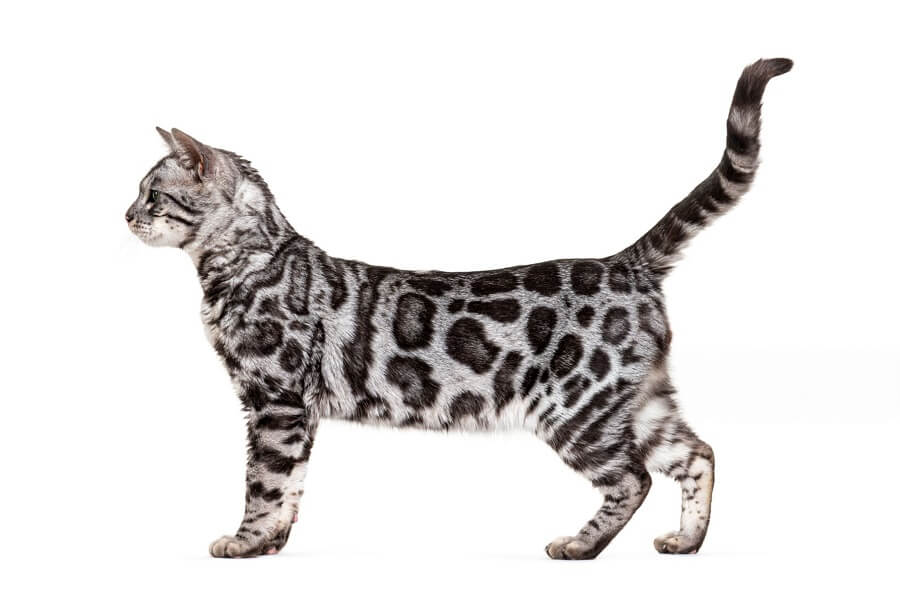
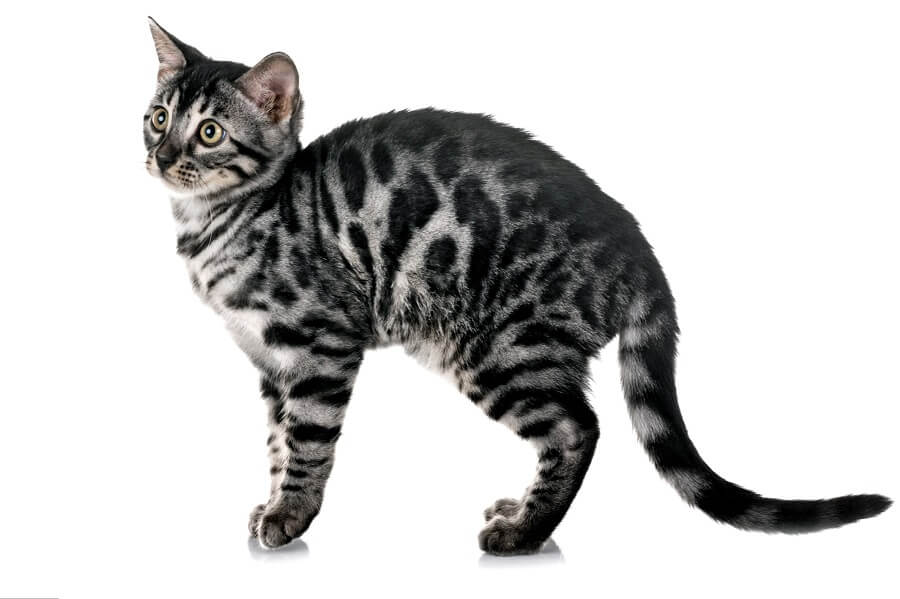
- Cool-toned white or silver base coat
- Bold black or charcoal markings
- High contrast gives a very “icy” look
- Can appear in brown or silver Bengals
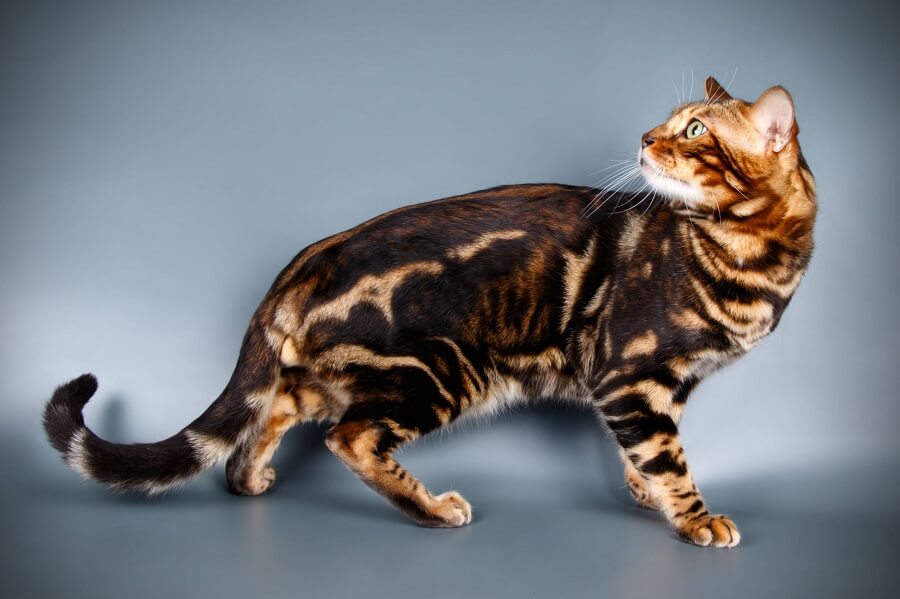
- Creates a darker “cape” along the back
- Often includes a distinctive mask-like face pattern
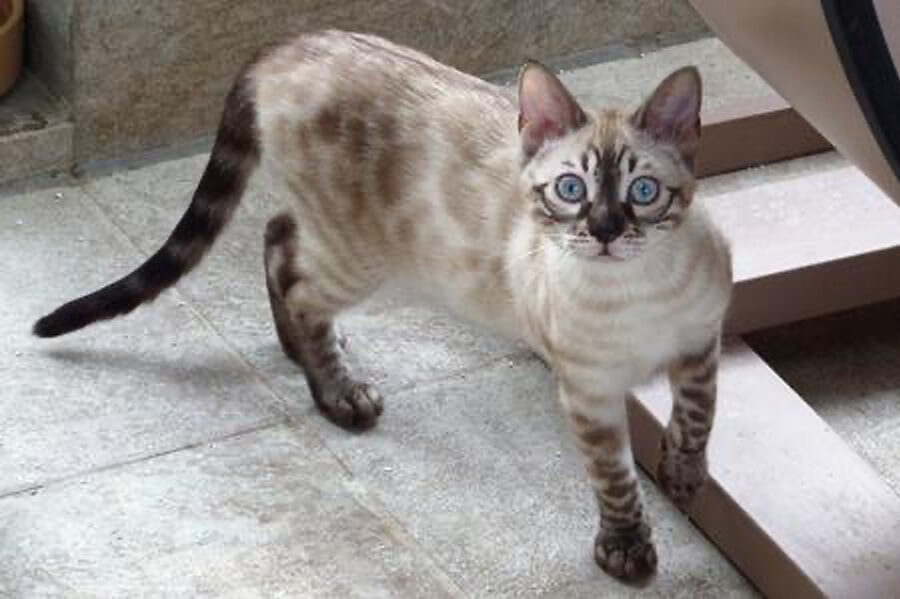
Spotted (most popular)
- Random or aligned spots across the body
- Can be simple solid spots or more complex shapes
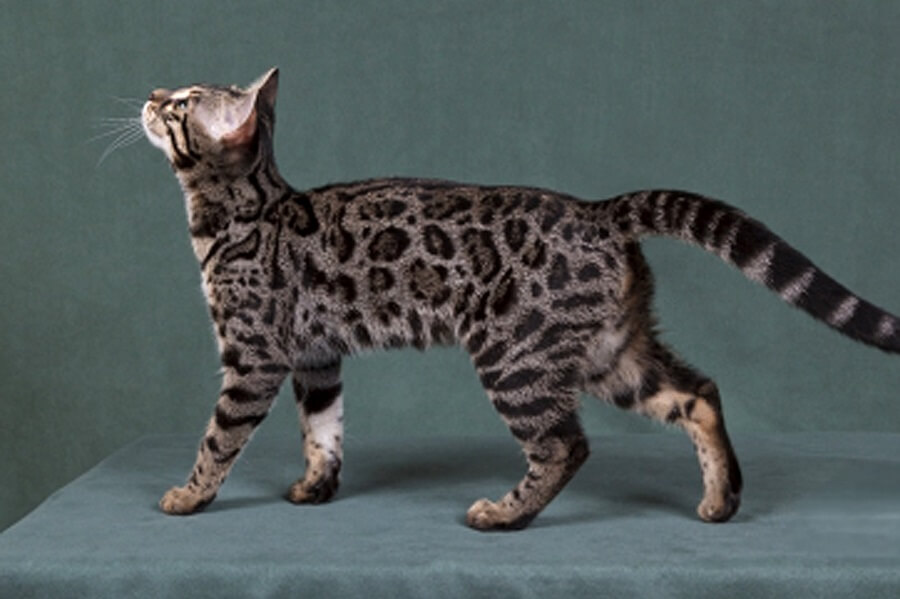
Rosetted (a special type of spotted)
- Large, two-toned spots that look like mini rosettes (like a leopard or jaguar)
- Variations include:
- Donut rosettes – open center
- Clouded rosettes – soft, flowing outlines
- Arrowhead rosettes – triangular, pointing backward
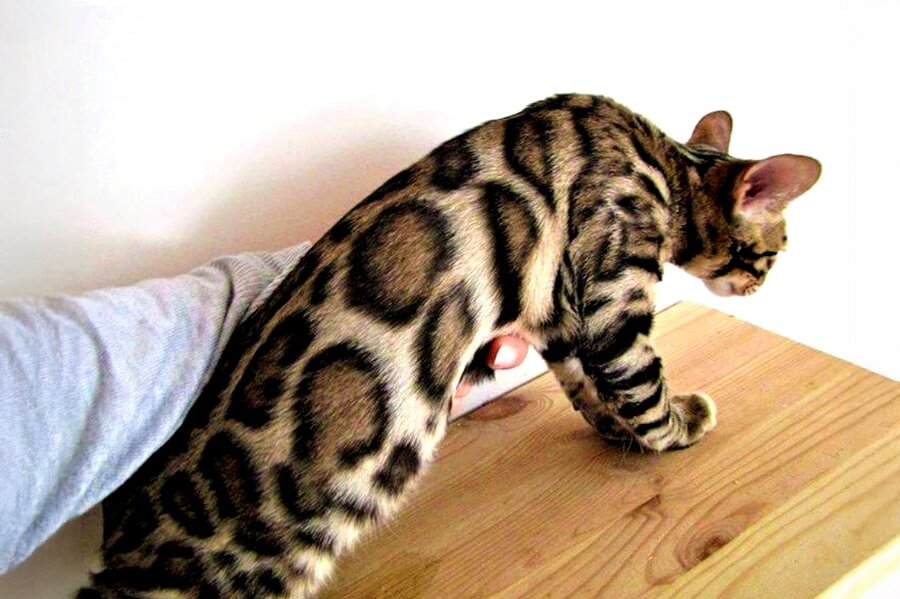
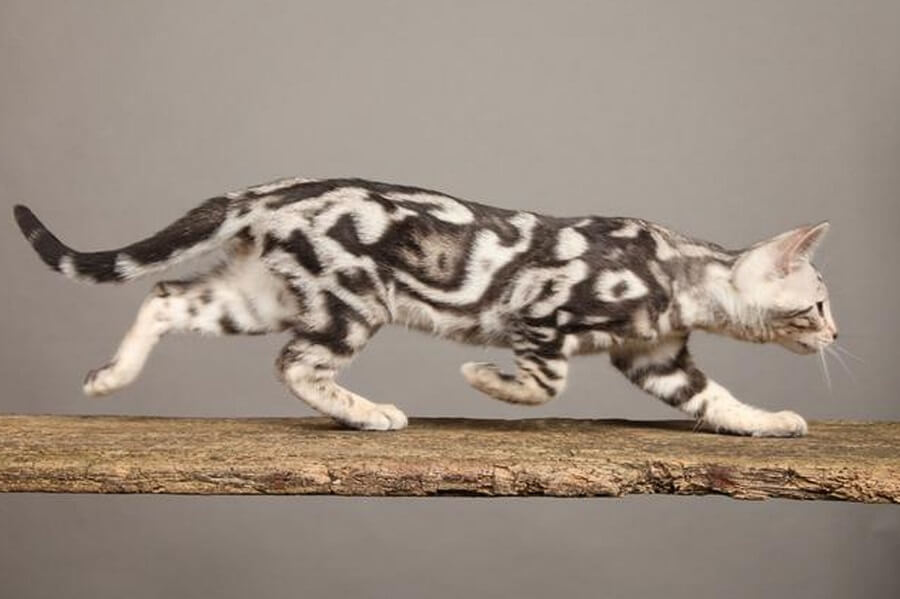
- Swirling, horizontal patterns instead of spots
- Looks like flowing marble or liquid patterns
- Less common but very striking
In short, Bengal cats combine bold colors with wild-style patterns—especially rosettes—which is what gives them that unmistakable “mini leopard” look.
Bengal Cat Diet
Most cat owners rely on dry kibble, but popularity doesn’t necessarily make it the healthiest option. When it comes to feline nutrition, it’s important to start with a simple biological truth: cats are obligate carnivores. Their bodies are specifically designed to thrive on nutrients from animal sources—primarily meat, organs, and bones. Ingredients outside of this, especially plant-based fillers, offer limited nutritional value and are not efficiently processed by a cat’s digestive system.
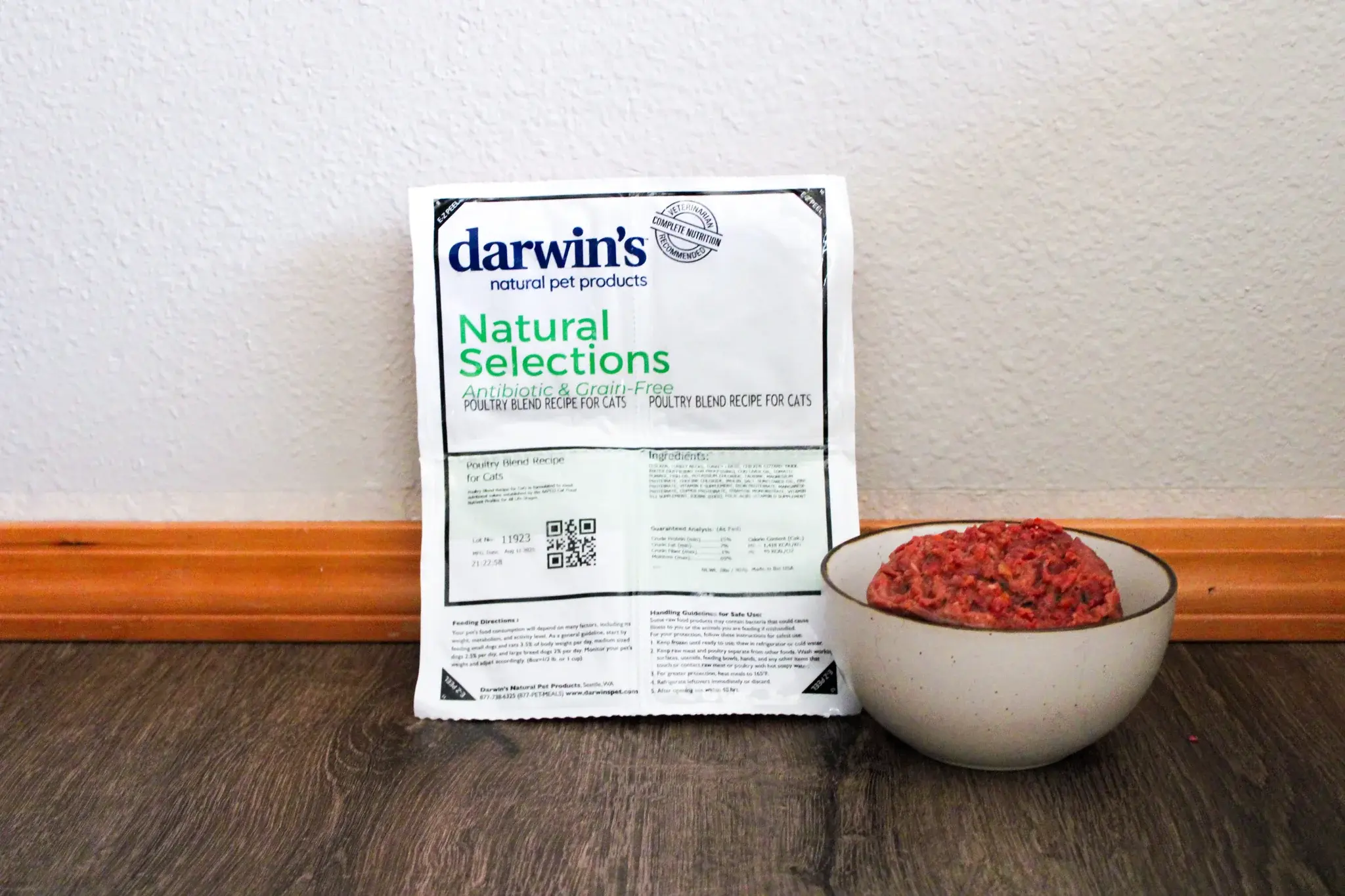
While ingredient quality is important, the biggest issue with kibble is something many people overlook—moisture. Cats evolved from desert-dwelling ancestors and naturally obtain most of their hydration through their food rather than by drinking water. Dry food contains very little moisture, which means cats eating kibble often don’t get the hydration their bodies require.
Because cats don’t have a strong natural thirst drive, many never make up for this lack of moisture by drinking enough water. The result is chronic, low-level dehydration that can persist for years without obvious symptoms. Over time, this places stress on the body and is strongly associated with serious health problems such as kidney disease, diabetes, and heart conditions. These issues often don’t appear until later in life, even though the underlying strain has been building for years.
Although cats raised on kibble may appear healthy in their early years, growing evidence and veterinary observations suggest they may experience faster aging and a higher risk of degenerative diseases compared to cats fed less processed, moisture-rich diets
Switching to a moisture-rich diet—such as high-quality canned food or a properly balanced raw diet—can better align with a cat’s natural needs. These options provide significantly more hydration, helping support kidney function, digestion, and overall health.
Raw feeding, in particular, aims to mimic what cats would eat in the wild. Unlike heavily processed foods, raw diets preserve the natural structure and nutrient profile of animal ingredients. Cooking, which is used in most commercial pet foods, can reduce levels of certain vitamins, minerals, and amino acids. Although manufacturers add nutrients back in after processing, they are often not in the same natural form or balance.
Additionally, cats have limited ability to process carbohydrates, meaning diets high in plant-based ingredients are not ideal. Nutrients from animal sources are far more bioavailable, making them easier for the body to absorb and use effectively.
While raw feeding offers many benefits, it must be done correctly. An unbalanced raw diet can lead to nutritional deficiencies and health problems. For this reason, many cat owners choose commercially prepared raw foods that are already formulated to meet a cat’s nutritional requirements. These options provide the benefits of raw feeding without the risk of imbalance and are widely available through pet stores and delivery services.
Your cat’s diet plays a critical role in their long-term health. While kibble may be convenient, it often falls short in meeting a cat’s biological and hydration needs. Choosing a diet that is rich in moisture and based on animal ingredients—whether that’s high-quality wet food or a properly balanced raw diet—can support better health, reduce the risk of chronic disease, and help your cat live a longer, healthier life.[11:07 AM]for now just one photo is enough for the “Bengal Cat Diet” section.
Female VS Male Bengal Cat Temperaments
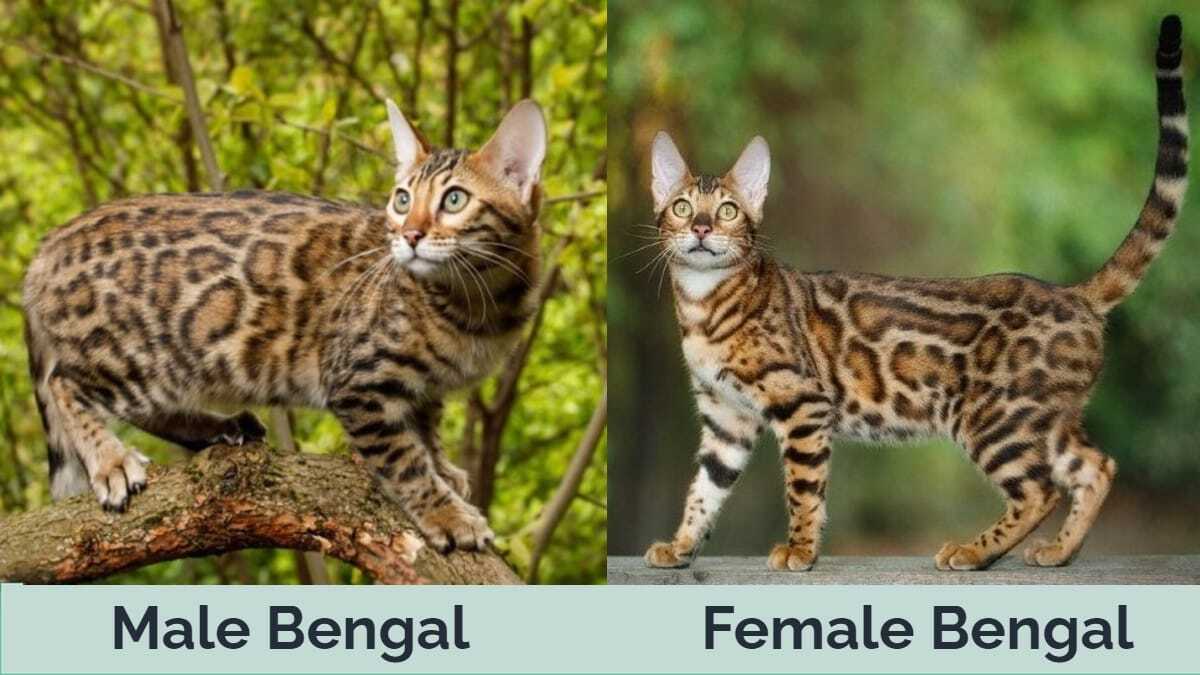
Bengal cats, like all cats, are guided by instinct. These behaviors are inherited and may be shaped by training, but they are never completely eliminated. Understanding these natural tendencies can provide insight into how a cat might behave in a home environment.
In the wild, female cats are responsible for raising their young. Because of this, they tend to be highly aware of their surroundings and attentive to details. This heightened awareness isn’t necessarily intelligence—it’s instinct. Females are often naturally nurturing and observant, closely tuned in to what’s happening around them.
Male cats, on the other hand, are driven by instincts related to reproduction, which require them to travel between territories. This exposes them to unfamiliar animals, so they rely more heavily on body language to communicate peacefully and avoid conflict.
If you’re hoping for a cat that forms a deep, devoted bond but may also enjoy some independence, a female might be a good fit. Females often connect strongly with one person and can be especially loyal.
If you’d prefer a cat that is generally more easygoing with new people or animals and engages with the whole household, a male may be a better match. Males are often more adaptable in social situations, which can also make them well-suited for activities like harness training—though females can certainly learn this as well.
If you have dogs or other non-cat pets, their gender doesn’t typically influence whether you should choose a male or female kitten. Bengals of either sex can get along well with dogs, especially when their personalities and energy levels are compatible.
However, the situation is different if you already have cats. Gender can play a role in feline dynamics. Generally, adding a female to a home with an adult female cat is less recommended, as females tend to be more territorial toward unrelated females. Male cats are usually more flexible in multi-cat households, and it’s often easier to introduce additional males
Regardless of gender, Bengal cats are known for being intelligent, active, confident, and social. These core traits remain consistent. The most important consideration is whether you’re prepared to meet the needs of a high-energy, highly intelligent cat.
If you have specific preferences for temperament or behavior, make sure to include them in your application and discuss them during kitten selection. This helps ensure you’re matched with a kitten that fits well with your home and lifestyle.
Preparing For Your Bengal Kitten
After many years of breeding cats, we believe it is healthiest for any cat, not just a Bengal, to be fed a balanced raw diet. Cats are obligate carnivores. They cannot get any nutrition from carbohydrates, fruits, or vegetables. So, when you pick up a store bought food and look at the ingredients, if it isn’t meat, it is a filler that will pass through the cat’s body with no nutritional benefits. There are many high quality pre-made raw diets. It is important to understand that feeding an unbalanced raw diet can be as dangerous as feeding kibble. You can’t just feed your cat whatever you buy for your family. It must have all the proper nutrients that a cats’ body needs.
Although we have a few kibbles listed under our “recommended products” page we cannot recommend a kibble of any kind - even the most premium kibbles - as their go-to diet. Cats are not natural drinkers. They are designed to obtain their water through their food. A cat will become dehydrated on any type of kibble and will likely end up with kidney issues once it is 8+ years old.
Read our Article “BENGAL CAT DIET” on further information on why we feed raw.
We use unscented clumping sand and Cat Butler in all of our litter boxes throughout the house. We strongly recommend you purchase one or both of these litters for your kitten’s arrival. After using these litters, we do not expect you to switch, but if you wish to, you may transition to a litter of your choice once your kitten is fully settled in. We recommend buying large storage bins with high sides to use as a litter box or a litter box with walls. We do not recommend starting with litter robots of any kind. This is something you can add in after your kitten is fully settled.
Food and water bowls should not be plastic; other than that, choose as you wish. We feed raw on paper plates as then there is no concern over bacteria growth. It is also good to have a few squirt bottles on hand for training the Bengal to stay off of items that you do not want it on.
As for toys, some of our favorites are listed under our “Recommended Products: TOYS” page.
If shopping for a cat tree, height is more important than width. Bengals like to be high. If purchasing online, we have one go-to cat tree that we have bought many times over for is sturdiness, relatively large sleeping areas, and options for high and low play spots.
Yes, our cats love the cat wheels and they do use them a lot. We recommend Ferris Cat Wheel for Ziggy Doo. If you decide to purchase one, please help us out and purchase through our link. If we get ten purchases through our link, our cats will get another wheel!
For quick access to the items we love, look at our “Recommended Products”
Set up a safe place - a small room - with all of your kitten’s supplies and toys before he/she arrives. This should be a room you would like the kitten to use as its home base - most likely the room with the litter box. Ideally, this room will have as few hiding spots as possible and all the essentials including water, food, cat tree, and of course the litter box.
The kitten will often bond the most with whomever it spends these first few crucial days/weeks with so many people set up this safe space in their masterbedrrom/bathroom or a bedroom of whoever the kitten is for.
Find a family veterinarian if you don’t have one. Ask about his vaccination philosophy. Our philosophy is simple - less is better. Your kitten will have received its first vaccine (Panleukopenia, Rhinotracheitis, and Calicivirus). The kitten will need one booster at or after 16 weeks old. Your kitten might also need a rabies shot to comply with the law (however if not necessary we don’t recommend it). Administer the rabies shot and the booster at least two weeks apart. We don’t recommend any other shots. Giving your kitten the FIP vaccine will void your five-year health guarantee.
Many vets will encourage the Feline Leukemia vaccine. We do not recommend this vaccine. Your kitten will be at its highest risk of contract Feline Leukemia in its first year of life. After that, most cats form a natural immunity. For your kitten to get Feline Leukemia, it must exchange fluids with an infected cat. For indoor cats, this is not likely going to happen. The risk of this happening if the cat is outside on a harness and leash is fairly low. Some of the vaccine risks are an initial sickness at the time of the vaccine and the formation of a tumor at the injection site. Tumors are common enough that most veterinarians will administer this vaccine in a leg or the tail to allow for amputation should a tumor form. What is the greater risk for your kitten?
In our opinion, seeing how your selected veterinarian responds to your request not to give the Feline Leukemia vaccine is the best first indicator as to whether or not you found a good one. If your veterinarian listens to you, explains his perspective, and then ultimately allows you to make the decision, that is someone you want to work with. If you feel forced to give the vaccines that we recommend you do not give, you should consider finding a veterinarian who listens and values the customer’s educated opinion. Looking for a holistic vet or a vet who practices eastern and western medicines is a good way to find an open-minded, thoughtful vet.
Please read https://catinfo.org/vaccines-for-cats-we-need-to-stop-overvaccinating/
Pet insurance has become a popular choice for many pet owners, especially during a kitten's first year of life. Curious by nature, kittens often find themselves in mischief, which can sometimes lead to unexpected accidents and veterinary expenses. That's why we send every kitten home with 30 days of complimentary pet insurance through Trupanion.
Because we health-test our cats, Trupanion offers this coverage without an initial veterinary exam, so your kitten is covered from the day you receive him from us.
If you decide to cancel the insurance at the end of the 30 days, we recommend you set up your own Cat- Health-Savings account and place the cost of an insurance policy into a savings account that is set aside for veterinary expenses.
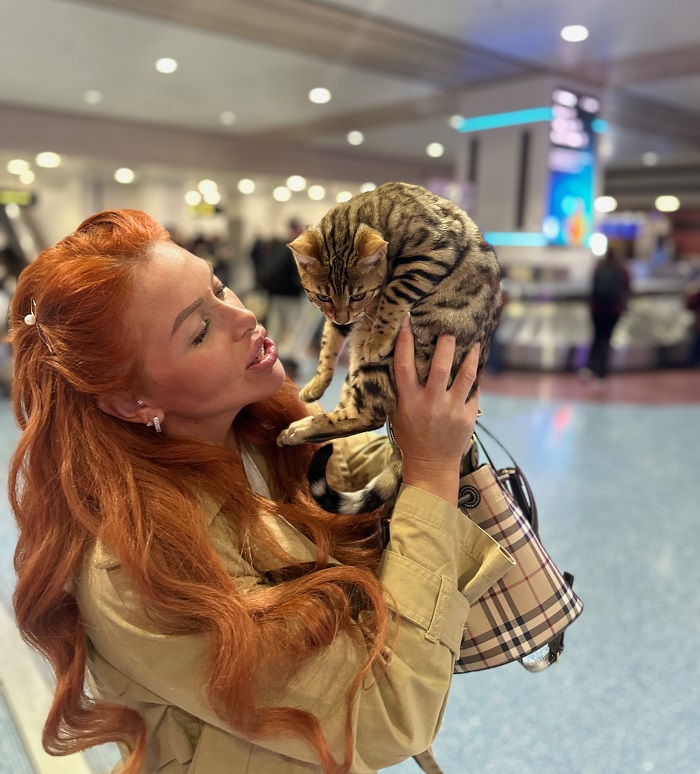
Taking a kitten into a new environment will be traumatic. Initially, your baby will be homesick. Different kittens are going to adjust at different speeds.
When you first take your kitten home, you should place him/her in the designated “safe space” and take it out of the carrier and place it in the litter box. This way, your kitten explores its new home from the litter box and knows how to return to it. You’ll want to keep your kitten in his/her safe space for the first few days while it adjusts to its new home.
If you have other pets, do not let them into the kitten’s safe space right away. You will want to have bedding that you can swap with your kitten’s bed. Have your kitten on one bed and your other pet on another. After the first 24 hours, swap the beds around twice a day. This allows each of the pets a chance to get used to the other pet’s smell. After a few days, allow your pets to explore the other pet’s territory without the other pet there. Allow your kitten to roan the main part of the house and smell everything, and allow your other pet to roam the kitten’s safe room. Finally, allow the introduction to take place in a neutral space - not in the safe room or the room where the original pet eats or sleeps. Play with your pets during the introduction as a distraction.
It is very important that you do not make any initial changes in diet or litter.
Vaccine Info
The information in this article reflects our personal experience and opinions and should not be considered veterinary advice. We are not licensed veterinarians. We encourage every pet owner to research carefully and consult professionals when making decisions about their cat’s health. At the same time, many veterinary practices today are owned by large corporations, which can sometimes place financial goals ahead of individualized care. Because of this, we believe owners should educate themselves and actively participate in decisions regarding their pets.
Our vaccination approach depends on several factors. One consideration is whether there are any cats in the home showing respiratory symptoms such as sneezing or watery eyes. Another factor is whether the mother cat goes into heat while nursing, since hormonal changes can affect her milk and may upset the kittens’ digestion. We also pay attention to when kittens begin eating solid food, because this transition can influence their immune protection.
Kittens initially receive antibodies through their mother’s milk, which helps protect them from illnesses the mother has previously encountered. However, these same antibodies can interfere with vaccines by reducing their effectiveness. As kittens gradually rely less on nursing and more on solid food, their natural protection decreases. This is why timing vaccinations appropriately is important.
When you receive a kitten from us, we provide complete health documentation, including vaccine batch information. Please share these records with your veterinarian. In the United States, owners are legally allowed to administer most vaccines themselves, with the exception of rabies vaccines in many states.
We recommend that kittens receive an FVRCP vaccine after 16 weeks of age. By this point, maternal antibodies are believed to have faded enough for the vaccine to provide reliable immunity. We prefer modified-live, non-adjuvanted vaccines whenever possible.
Rabies vaccination should also be given after 16 weeks of age in accordance with local laws. To reduce stress on the immune system, we suggest spacing the rabies vaccine and FVRCP vaccine a few weeks apart rather than administering them during the same visit. We also encourage owners to ask their veterinarian about non-adjuvanted rabies vaccine options.
When your cat reaches one year of age, your veterinarian may recommend booster vaccinations. Whether to proceed depends on your cat’s lifestyle and risk level. Cats with more outdoor exposure may benefit from boosters, while indoor cats may have different needs. Titer testing can help measure antibody levels and provide more personalized guidance about immunity.
Our belief is that vaccination decisions should be made thoughtfully and individually rather than automatically repeated on a fixed schedule. Titer testing can help determine whether additional vaccines are truly necessary.
Most importantly, we remain available to support families who purchase kittens from us. With decades of experience raising Bengals, we are happy to share our perspective so owners can make informed choices about their cat’s care and wellbeing.